On 13 March 2026, I was a guest on the Hungarian radio programme Csattanómaszlag. In my conversation with host and editor Hajnalka Cserna, we discussed the significance of urban wilderness and our landscape architectural and environmental psychology research in Gazdagrét, Budapest.
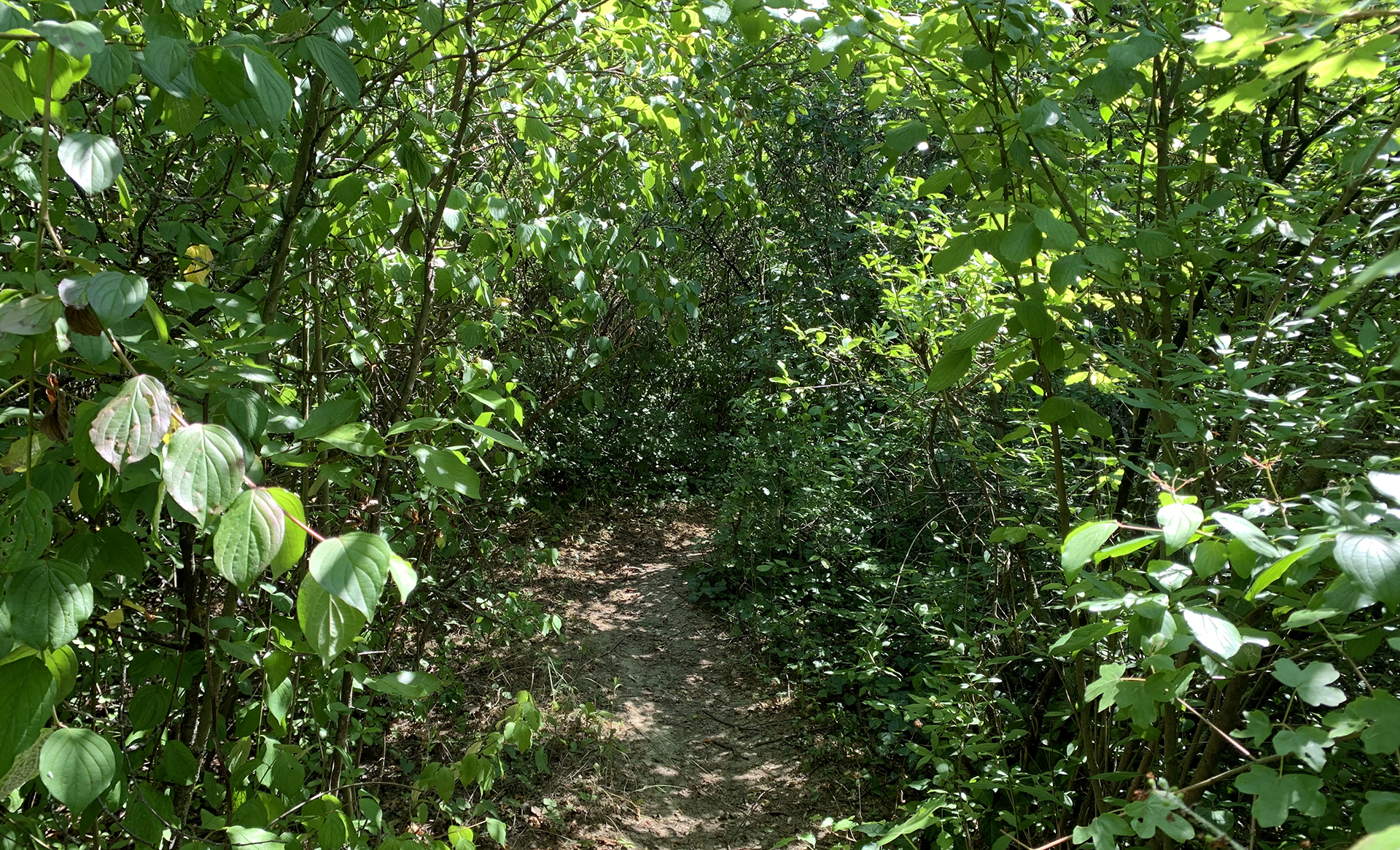
The research explores how urban residents perceive semi-wild, naturally regenerating green spaces. Due to their biodiversity, resilience and relatively low maintenance requirements, these areas can be highly valuable from an ecological perspective. At the same time, dense or visually enclosed vegetation may evoke uncertainty or even fear, discouraging people from entering and using such spaces.
The study is being conducted in collaboration between the Department of Garden and Open Space Design at the Hungarian University of Agriculture and Life Sciences (MATE), the Institute of Human–Environment Transaction at Eötvös Loránd University (ELTE), the Municipality of Budapest and FŐKERT, Budapest’s green-space management organisation.
Our central question is whether carefully targeted, low-intensity landscape interventions can make urban wilderness more legible, inviting and safe without diminishing its natural character. At the Gazdagrét study site, we assessed visitors’ experiences before and after selective vegetation management. Rather than transforming the area into a conventional public park, the interventions included opening up parts of the shrub layer, improving the visibility of the path and removing potentially hazardous branches.
The initial results suggest that these interventions did not diminish the experience of nature, while several of the assessed factors showed positive changes. This indicates that it may be possible to find a sensitive balance: preserving the ecological and psychological benefits of urban wilderness while making such spaces more accessible and reassuring for a broader range of urban residents.
The conversation also covered the origins of the research, the methodology used at the Gazdagrét site, the challenges posed by extreme weather conditions, and the potential role of urban wilderness in the green infrastructure of future cities.
The full radio conversation is available here in Hungarian: [link]